
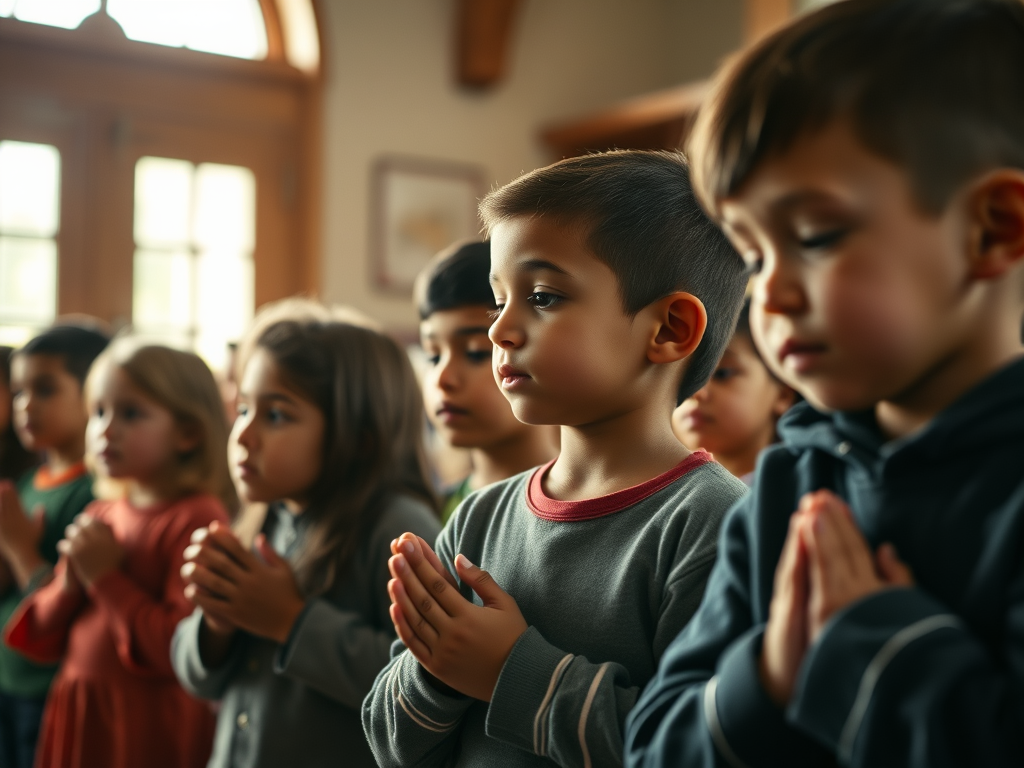
As a parent, there’s nothing more comforting than seeing your child grow with confidence and spiritual strength. Teaching children to pray can be a powerful way to instill these qualities, helping them navigate life’s challenges with faith and resilience.
I have witnessed firsthand the impact that prayer for strength can have on a child’s life, providing them with a sense of security and comfort in times of uncertainty. By introducing prayer into their daily routine, children can develop a deeper connection with their faith, fostering a sense of faith-based empowerment.
Key Takeaways
- Teaching children to pray can enhance their spiritual strength and confidence.
- Prayer can provide children with a sense of security and comfort.
- Incorporating prayer into daily routines can foster a deeper faith connection.
- Faith-based empowerment can help children navigate life’s challenges.
- Prayer can be a powerful tool for building resilience in children.
My Journey with Prayer as a Source of Strength
My journey with prayer has taught me invaluable lessons about inner resilience and mental fortitude. Through personal experiences and challenges, I’ve come to understand the profound impact of prayer on my life.
How Prayer Transformed My Difficult Times
During particularly trying periods, prayer became my sanctuary. It provided a sense of calm and clarity, allowing me to approach problems with a clearer mind. By turning to prayer, I found the strength to persevere through adversity, developing a deeper sense of inner resilience and mental fortitude.
| Challenges | Prayer’s Impact |
|---|---|
| Uncertainty and fear | Provided calm and clarity |
| Adversity | Fostered perseverance and resilience |
| Emotional turmoil | Offered emotional support and stability |
The Lessons I Learned About Inner Resilience
The journey taught me that inner resilience is not just about enduring hardships but also about growing through them. Prayer helped me develop a positive outlook, even in the face of challenges, by focusing on the potential for growth and learning. This mindset has been crucial in building my emotional support system.
By integrating prayer into daily life, I’ve observed significant improvements in my ability to handle stress and uncertainty. This practice has not only enhanced my personal well-being but also equipped me with the tools to guide children in developing their own spiritual foundations.
Why Children Need Spiritual Foundations Today
The modern world presents children with a unique set of challenges that demand strong spiritual foundations. As they navigate the complexities of growing up, children are exposed to various pressures and uncertainties that can impact their emotional and psychological well-being.
Modern Challenges Children Face
Children today face a myriad of challenges, from academic pressures and social media influences to family dynamics and global uncertainties. These challenges can be overwhelming, making it essential for children to have a strong foundation to fall back on. As Pope Francis once said,
“The family is the first and fundamental school of social virtues.”
This emphasizes the importance of instilling spiritual values from a young age to help children develop the resilience they need.
How Faith Provides Stability in Uncertain Times
Faith can provide children with the divine guidance and spiritual endurance needed to navigate life’s challenges. By developing a strong faith, children can cultivate courage in adversity, enabling them to face difficulties with confidence and hope. As they grow in their spiritual journey, children can learn to trust in a higher power, finding comfort and strength in times of uncertainty.
By instilling spiritual foundations in children, we can help them develop the resilience and confidence needed to overcome life’s challenges. As they grow and mature, this foundation will continue to provide them with the strength and guidance they need to navigate the complexities of the world.
Understanding Prayer for Strength in Child-Friendly Terms
Prayer for strength is a concept that can be difficult for children to grasp, but with the right approach, it can become a source of comfort and confidence. As I reflect on my own journey, I realize that explaining divine connection and making abstract spiritual concepts tangible is crucial for helping children understand the power of prayer.
Explaining Divine Connection to Young Minds
When I talk to children about prayer, I start by explaining that it’s a way to communicate with a higher power. I use simple examples, such as talking to a close friend or family member, to help them understand that prayer is a personal conversation. As one child once said, “Prayer is like having a special talk with God, where you can share your feelings and listen to His love.” This perspective helps children see prayer as a nurturing and supportive experience.
Making Abstract Concepts Tangible for Children
To make abstract concepts like spiritual strength more tangible, I often use metaphors and relatable examples. For instance, I compare faith to a tree that grows stronger with time, nourished by prayers and positive actions. As the Bible says, “
For I know the plans I have for you,” declares the Lord, “plans to prosper you and not to harm you, plans to give you hope and a future.
” (Jeremiah 29:11). This helps children visualize their spiritual growth and understand that uplifting prayers can be a source of faith-based empowerment and spiritual strength.
By using these approaches, children can develop a deeper understanding of prayer for strength and cultivate a lifelong practice that brings them comfort, confidence, and resilience.
Age-Appropriate Prayer Techniques
One of the most significant gifts we can give our children is the ability to communicate with God through prayer, tailored to their age and understanding. As children grow, their comprehension of prayer evolves, making it essential to adapt our approaches to their developmental stage.
Preschoolers (3-5 years)
For young children, prayer can be a simple, interactive experience. Using short, gentle prayers that incorporate their daily experiences can help them feel connected to God. For example, praying before meals or bedtime can become a comforting ritual. “Dear God, thank you for this food. Amen.” Such prayers provide emotional support and introduce the concept of gratitude.
Elementary Age (6-9 years)
As children grow older, they can engage in more complex prayers. Encouraging them to express their thoughts and feelings to God can foster a deeper connection. Using prayer journals can be an effective way to help them articulate their prayers and reflect on their experiences. This practice supports the development of inner resilience by teaching children to turn to prayer during challenging times.
Preteens (10-12 years)
Preteens can benefit from more reflective prayer practices. Introducing meditative prayers or guided prayers can help them explore their faith more deeply. Discussing how prayer can be a source of prayer for strength during adolescence can be particularly meaningful. Encouraging them to pray for guidance and wisdom can support their emotional and spiritual growth.
Simple Yet Powerful Prayers for Strength Children Can Learn
Prayers can serve as a powerful tool for children to navigate life’s challenges with confidence and faith. By incorporating prayer into their daily routine, children can develop a stronger sense of resilience and spiritual endurance.
Morning Confidence Prayers
Starting the day with a positive and uplifting prayer can set the tone for a child’s daily activities. An example of a morning confidence prayer is: “Dear God, thank you for this new day. Please give me the courage to face whatever comes my way and the confidence to be my best self.”
Prayers for School Challenges
Children often face various challenges at school, from academic pressures to social interactions. A prayer for school challenges could be: “God, please help me to focus and learn today. Give me the strength to be kind to others and to make good choices.”
Bedtime Prayers for Inner Peace
Ending the day with a prayer can help children reflect on their experiences and cultivate inner peace. A bedtime prayer for inner peace might be: “Dear God, thank you for today. Please help me to let go of any worries or fears and fill me with your peace and love.”
| Prayer Type | Example Prayer | Benefit |
|---|---|---|
| Morning Confidence | “Dear God, thank you for this new day. Please give me the courage to face whatever comes my way.” | Boosts confidence and courage |
| School Challenges | “God, please help me to focus and learn today. Give me the strength to be kind to others.” | Enhances focus and kindness |
| Bedtime Inner Peace | “Dear God, thank you for today. Please help me to let go of any worries or fears.” | Fosters inner peace and calm |
By teaching children these simple yet powerful prayers, we can help them develop spiritual endurance and courage in the face of adversity. These prayers can become a source of comfort and strength, guiding them through life’s ups and downs.
Creating Sacred Spaces and Prayer Routines
Creating a sacred space at home can be a powerful way to nurture your child’s spiritual growth. By designating a specific area for prayer and reflection, you can help your child develop a deeper connection with their faith and foster spiritual strength.

Designing a Child-Friendly Prayer Corner
A child-friendly prayer corner should be inviting and comfortable. Consider adding elements that resonate with your child’s sense of wonder and curiosity, such as soft lighting, calming colors, or inspirational images. This space can become a haven where your child feels safe to express their thoughts and feelings, seeking divine guidance in times of need.
Establishing Consistent Prayer Times
Consistency is key when establishing prayer routines. Choose specific times of the day that work for your family, such as during breakfast or before bedtime, and stick to them. Regular prayer times can help your child develop a sense of discipline and reinforce their faith-based empowerment, providing a foundation for lifelong spiritual growth.
By combining a sacred space with consistent prayer routines, you can create a nurturing environment that supports your child’s spiritual development and helps them cultivate the strength they need to face life’s challenges.
Making Prayer Interactive and Engaging
Engaging children in prayer can be a transformative experience, fostering a deeper connection with their spirituality. To achieve this, it’s crucial to incorporate interactive elements that make prayer a meaningful and enjoyable experience.
One effective way to make prayer engaging is through creative activities. Prayer journals are an excellent tool, allowing children to express their thoughts and feelings through writing and drawing. This practice not only enhances their prayer life but also provides emotional support by giving them an outlet for their emotions.
Prayer Journals and Art Projects
Prayer journals can be customized with prompts or left open for children to explore their creativity freely. Art projects, such as creating prayer cards or decorating prayer journals, can also be a fun way to engage children in prayer. These activities help children develop a personal connection with their faith, enhancing their inner resilience.
Prayer Walks and Nature Connections
Another engaging way to practice prayer is through prayer walks. Taking children on a walk in nature, encouraging them to observe their surroundings, and pray about what they see, hear, and feel can be a powerful experience. It connects their spirituality with the natural world, promoting a sense of peace and tranquility.
Family Prayer Circles and Sharing
Creating a family prayer circle where everyone gathers to pray and share their thoughts and feelings can strengthen family bonds and deepen individual faith. This shared experience provides a supportive environment where children feel comfortable expressing themselves, further reinforcing their prayer for strength.
By incorporating these interactive elements, children can develop a robust and meaningful prayer practice that supports their emotional and spiritual growth.
Addressing Tough Questions Children Ask About Prayer
One of the most significant aspects of teaching children about prayer is addressing their tough questions. Children often ask questions that can be challenging for parents and guardians, but these inquiries provide an opportunity to strengthen their faith and understanding of divine guidance.
As we navigate these conversations, it’s essential to create a safe and supportive environment where children feel comfortable expressing their thoughts and concerns.
Why Doesn’t God Always Answer?
Children may struggle with the concept that God doesn’t always answer their prayers in the way they expect. It’s crucial to explain that prayer is not about getting what we want but about building a relationship with God and finding spiritual endurance in times of need. We can reassure them that sometimes, God’s answer might be “wait,” “no,” or “not yet,” and that these responses are also a form of guidance.
How Do I Know God Hears Me?
Another common question children ask is how they can know if God hears them. We can reassure them that God is always listening, and that prayer is a powerful way to communicate with Him. Encouraging children to listen for God’s voice through their feelings, thoughts, and the guidance of scripture can help them understand that they are not alone and that they are experiencing faith-based empowerment.
By addressing these tough questions, we can help children develop a deeper understanding of prayer and their faith, fostering a strong foundation for their spiritual journey.
Using Stories to Illustrate the Power of Prayer for Strength
Stories have a unique way of illustrating the power of prayer for strength in a way that resonates with children. By sharing relatable tales, we can help young minds understand the value of prayer in overcoming challenges.

One effective way to convey this message is through age-appropriate stories that highlight the impact of prayer.
Age-Appropriate Biblical Examples
Biblical stories can provide powerful examples of how prayer has given strength to individuals in the past. For instance, the story of David and Goliath can teach children about trusting in a higher power to overcome seemingly insurmountable challenges. Such stories can inspire kids to develop spiritual strength and confidence in their own lives.
Modern Stories of Faith and Courage
In addition to biblical examples, modern stories of faith and courage can also be impactful. Sharing stories of people who have faced adversity with the help of prayer can provide children with relatable role models. These stories can illustrate how uplifting prayers can offer courage in adversity, helping children navigate their own difficulties.
By using a mix of these stories, parents and educators can help children develop a deeper understanding of the role of prayer in building spiritual strength.
Helping Children Apply Prayer During Challenging Situations
As we navigate the challenges of parenting, teaching children to apply prayer in difficult situations can be a powerful tool for building emotional support and inner resilience. By doing so, we help them develop a deeper connection with their faith and enhance their ability to cope with life’s obstacles.
Children face various challenges that can be emotionally taxing. Here are some ways prayer can help:
- Praying for calmness and peace during overwhelming situations
- Seeking guidance and wisdom in decision-making
- Finding comfort and reassurance in times of uncertainty
Overcoming Fear and Anxiety
Teaching children to pray for courage and peace can help alleviate fear and anxiety. Encourage them to express their feelings to a higher power, seeking comfort and reassurance.
Building Confidence Before Tests or Performances
Praying for confidence and success can help children feel more prepared and focused. This can be a powerful way to build their prayer for strength and self-assurance.
Dealing with Friendship Struggles
Prayer can provide children with the emotional support needed to navigate complex social situations. Encourage them to pray for wisdom and kindness in their interactions with others.
Recognizing Growth in Your Child’s Spiritual Journey
Observing our children’s spiritual progress helps us understand their developing faith and resilience. As parents, it’s essential to recognize the signs of spiritual growth and celebrate the milestones achieved along the way.
Signs of Developing Faith and Resilience
Children demonstrating spiritual growth may exhibit increased confidence in their beliefs and a deeper understanding of divine guidance. They may also show improved emotional resilience, coping better with challenges and setbacks.
- Increased empathy towards others
- A stronger sense of purpose and identity
- Improved ability to handle adversity with faith-based empowerment
Celebrating Spiritual Milestones
Celebrating spiritual milestones reinforces a child’s faith and encourages continued growth. This can be done through special activities or rituals that mark their progress.
By acknowledging and celebrating these milestones, parents can foster an environment that supports their child’s spiritual endurance and overall development.
Conclusion: Nurturing Lifelong Spiritual Strength
As we guide our children in developing a strong prayer life, we lay the foundation for lifelong spiritual strength. Through prayer for strength, children can navigate life’s challenges with confidence and resilience. By incorporating uplifting prayers into their daily routine, we help them develop a deeper connection with their faith and cultivate spiritual strength.
Nurturing spiritual growth in children is a journey that requires patience, consistency, and dedication. By creating sacred spaces and establishing prayer routines, we provide our children with the tools they need to stay grounded in their faith. As they grow and mature, they will be able to draw on their spiritual strength to overcome obstacles and achieve their goals.
By teaching children the value of prayer and spiritual strength, we empower them to become resilient and confident individuals. As they continue on their spiritual journey, they will be able to rely on the power of uplifting prayers to guide them through life’s ups and downs.
FAQ
What is the best way to introduce prayer to children?
The best way to introduce prayer to children is by making it a natural and engaging part of their daily routine, using simple and child-friendly language, and leading by example.
How can I help my child understand the concept of divine guidance?
To help your child understand divine guidance, explain it in terms of a loving presence that is always available to offer support and direction, and use examples from their own experiences.
What are some age-appropriate prayer techniques for children?
Age-appropriate prayer techniques include using simple prayers for preschoolers, teaching elementary-age children to pray for specific needs, and encouraging preteens to reflect on their values and express gratitude.
How can I make prayer more interactive and engaging for my child?
To make prayer more interactive, try using prayer journals, art projects, prayer walks, and family prayer circles, which can help children develop a deeper connection with their spirituality.
What are some simple yet powerful prayers that children can learn?
Simple yet powerful prayers for children include morning confidence prayers, prayers for school challenges, and bedtime prayers for inner peace, which can help them face daily challenges with courage and spiritual endurance.
How can I help my child apply prayer during challenging situations?
To help your child apply prayer during challenging situations, encourage them to pray for emotional support, inner resilience, and courage in the face of adversity, and lead by example.
How can I recognize growth in my child’s spiritual journey?
Signs of developing faith and resilience in children include a greater sense of calm and confidence, a willingness to help others, and an ability to reflect on their values and express gratitude.
What are some ways to celebrate spiritual milestones with my child?
Celebrating spiritual milestones can be done by acknowledging and affirming your child’s progress, creating special rituals or traditions, and sharing stories of faith and courage that inspire and motivate them.

 Whispers Of Grace
Leave a reply to Prayer for Strength: Finding God’s Power in Your Weakest Moments – Whispers Of Grace Cancel reply